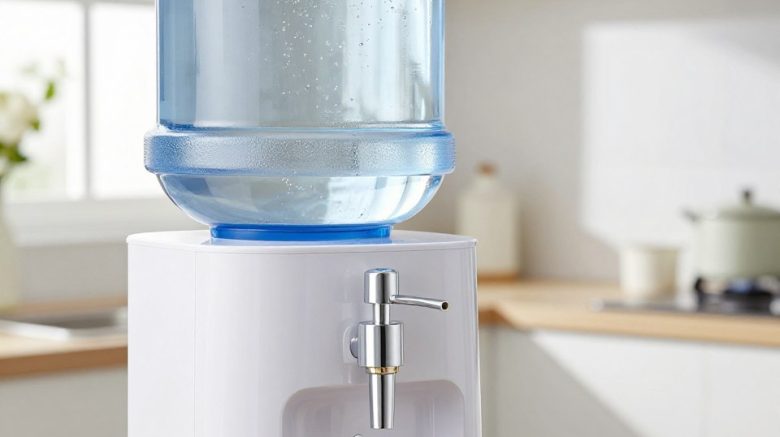
A water bottle pump moves purified water from large bottles to glasses, jugs, or reservoirs. These units can provide water at varied temperatures. They are crucial in homes, offices, and events for easy availability to fresh water. This convenience needs minimal installation.
Browse Products For Water Bottled Pump
The need for effective water dispensing is rising in the US, as consumers prioritize ease and flavor. You can choose between both bottled and bottleless types. Bottle-fed dispensers need power and bottle replacement, whereas point-of-use coolers connect to the water line and feature filtration.
This guide in the US outlines water bottled pump functions, compares models like Flow Jet and Flojet types, and discusses power options. For components or maintenance, Installation Parts Supply.com is a top choice for pump spares and additional requirements listed.
Review this brief overview to comprehend bottled water dispenser pump choices more clearly. Pick specs that suit your requirements and learn the basics of troubleshooting and maintenance prior to purchase.
Benefits Of Bottled Vs Bottleless Water Dispensers
Deciding on jug vs. plumbed water dispensers hinges on consumption habits. Small spaces and residences might lean towards portability and ease of setup. Meanwhile, larger establishments focus on a non-stop supply and minimizing waste.
Differences between bottled and bottleless systems
Bottled dispensers use pre-sealed containers, available in different capacities. They offer cold, hot, or room temperature water and are straightforward to initiate. Users simply load a jug, plug in, and use.
Conversely, plumbed-in coolers connect directly to the water line. They incorporate filters to purify the water and require installation and periodic maintenance. This option suits places requiring a constant water source.
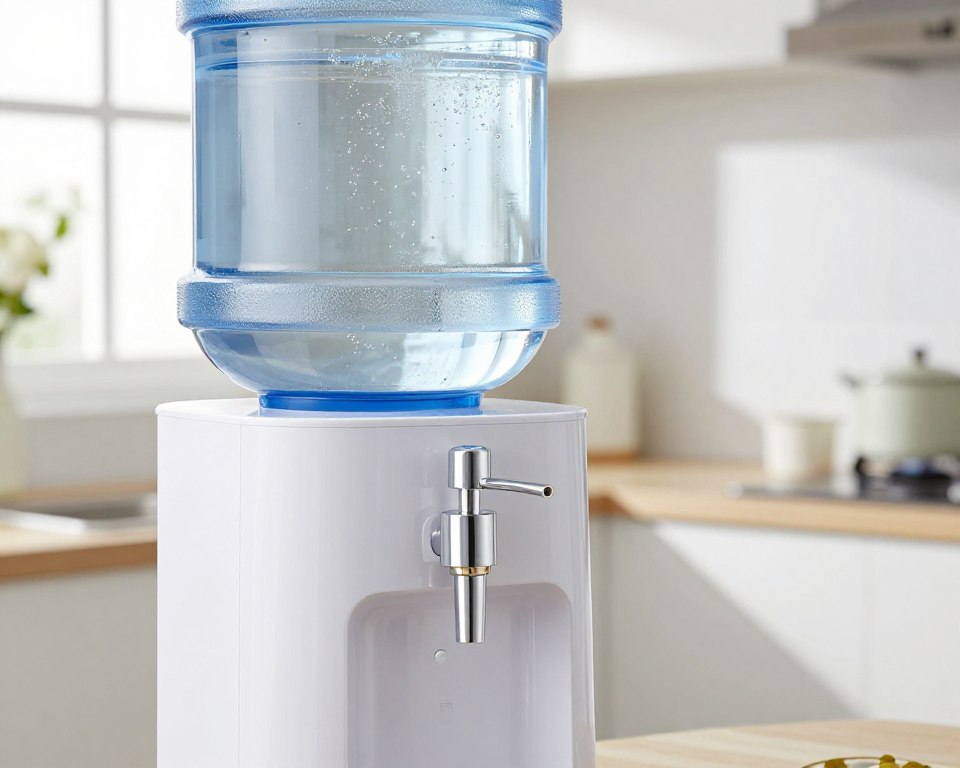
Benefits of bottled water dispensers for flexible placement
No plumbing is needed for bottled dispensers, rendering them ideal for locations that often rearrange. They are mobile, suiting reception areas and temporary events.
They ease the load of keeping water on-site. Sealed jugs also lower the risk of impurities and typically feature no-spill caps for hygiene.
When a mains-fed dispenser makes more sense
In busy spots like large offices or gyms, the demand surpasses what bottled units can handle. A mains-fed unit meets the need for heavy use and diminishes the reliance on disposable plastic.
Sustainability-focused businesses choose bottleless coolers. They are ideal where internal filtering is needed to ensure continual access to purified water, removing the necessity of storing bottles.
Common usage scenarios in the US
Jug pumps are found in small businesses, pop-up shops, and residences—places where fixed plumbing is impractical. They work well with specific pump units, enhancing mobility.
Mains-fed setups are frequently found in big offices, dorms, and commercial food prep areas that are plumbed. They enable a consistent supply and are more eco-friendly.
Bottled Water Dispenser Pump
A bottled water dispenser pump transfers water from a bottle to your faucet or reservoir. It uses vacuum action, diaphragm mechanisms, or mechanical seals. This keeps the water clean and guarantees a steady stream. These devices are integrated into home and office coolers for efficient, hands-free dispensing.
The Mechanics Of Dispenser Pumps
Devices pull water from containers, routing it to a spout or tank. They utilize diaphragm or displacement technology to stop pollution. For top-load coolers, the bottle is placed upside down on a sealed neck. With dispensing kits or bottom-loading units, heavy lifting is avoided.
Manual Vs. Electric Vs. Touchless Pumps
Hand pumps, driven by pressing, don’t require electricity and are inexpensive. Electric pumps, running on mains or battery, maintain pressure for various temperatures. Sensor pumps, which use sensors, provide sanitary access in communal spaces.
Electric systems often use Flojet-style diaphragm pumps, known for consistent pressure. A good pump fits various dispensers, from countertops to mobile stations. These adaptable designs make for reliable operation.
Pump Compatibility For Various Jugs
Most pumps match standard 18.9L bottles and smaller bottles too. Connectors and non-spill caps work with 13L containers and various jug types. Multiple fittings in bottom-load kits facilitate compatibility with different openings.
Installation And Swapping Tips From Experts
Installation Parts Supply.com recommends selecting pumps that fit your dispenser and bottle neck. Always use food-grade tubing and safe plastics. For swapping diaphragm pumps, ensuring seals and caps aren’t worn is crucial. For mains changes or bottom-feed installs, securing professional assistance ensures proper electrical work and no leaks.
What To Consider In A Water Pump System
Selecting the perfect pump system requires a balance. Speed, power, cleanliness, and construction are essential. These factors greatly impact its performance and value in various settings.
Flow rate and delivery speed
The pumping speed influences both the fill rate and how satisfying the process feels. To make an informed choice, look for the gallons or liters per minute for comparison.
High-quality diaphragm pumps are great at providing constant water and hygienic use. They are ideal for minimizing spills during use. For heavy duty use, choose plumbed options; for lighter use, compact pumps suffice.
Power options: rechargeable, battery, AC-powered
Rechargeable pumps are versatile, suitable for areas without permanent setups. Meanwhile, battery options are excellent for easy setups at gatherings or outdoors.
AC-powered units are designed for relentless operation, with capabilities like temp control. They are perfect with sensor activation for high-traffic zones.
Hygiene features: no-spill caps, enclosed spouts, touchless operation
To limit contamination, opt for sealed pump systems and tight fittings. Enclosed spouts and high-quality seals also provide a barrier from contaminants, keeping water fresh.
Sensor dispensers reduce the spread of germs in shared spaces. Adding regular cleansing routines improves hygiene.
Durability and materials
Choose pumps made with safe polymers, food-grade silicone, and steel parts. These substances maintain purity and toughness with daily wear.
Look for models that promise longevity via strong housings and replaceable components. Buying genuine spares from reputable sellers guarantees warranty protection and operates smoothly.
When evaluating options, examine pump specs and verify compatibility of compatible parts like a branded pump. Additionally, double-check warranty details for the unit.
How To Choose The Right Water Bottle Water Pump For Your Space And Usage
Picking the right dispenser involves considering the user count, dispense rate, and location. Align the reservoir capacity and flow capabilities with your actual needs daily. For small living spaces and low-traffic workplaces, a simple water bottled pump or a low-flow model is sufficient. However, high-traffic spots need dispensers with higher liters-per-hour capacities.
To estimate usage, calculate the water usage in liters. A household of four usually uses 13L–18.9L bottles with a matching dispenser. Conversely, high-demand areas like busy office break rooms or hotel breakfast nooks benefit from bigger reservoirs or plumbed lines, providing quick access to both hot and chilled water on demand.
Considerations for offices, hospitality, and residential use
Offices require durable, touchless units with service contracts and robust parts. Hospitality businesses focus on quick service, visually appealing units, and options, such as cold or carbonated water. Homes often opt for simple pumps, prioritizing small, independent units.
Saving energy and going green
Evaluate the power consumption of pumps in both standby and operational modes. Systems lacking heating or cooling features consume less power. To reduce reliance on plastic jugs, think about bottleless systems. Invest in efficient cooling and good pumps to lower both costs and environmental footprint.
Installation, maintenance, and service options
Bottled water pumps are easy to set up: just attach a bottle and turn it on. Systems connected to the main water supply might need expert installation. In the US, suppliers offer installation help, replacement parts, and service plans. Routine care, such as filter swaps and sanitizing, ensures reliable performance long-term.
Troubleshooting Tips And Spare Parts
Minor problems in dispensers can often be traced to basic problems. Always check the power, switches, and check airflow. A clogged hose or an worn gasket might stop water. In units connected to the mains, clogged filters and scale buildup can reduce pressure and impact performance.
Reasons For No Water Or Low Flow
Broken pumps could simply be unplugged or turned off. Cooling motors need enough room around them to function efficiently, preventing frequent on-off cycles. Battery-powered pumps might cease functioning when batteries die. For dispensers connected directly to the water supply, worn-out filters, limescale, or issues in the plumbing can decrease pressure.
Fixes For Pumps That Are Not Pumping Or Have Low Flow
Start fixing by checking the plug, testing all switches, and verifying charging for cordless models. Ensure inlet tubing and spouts are clear from any obstructions. To fix leaks, changing caps or gaskets usually helps, securing a leak-proof fit.
For diaphragm pumps, such as Flojets, inspecting and possibly replacing the diaphragm and valves is essential. These components wear out, affecting suction and output. A standard fix for a branded pump means buying rebuild kits, sold by Installation Parts Supply.com, which caters to a variety of models.
Wireless pumps work better with new cells or a full charge. If a dispenser connected to the mains has slow water, replacing inline filters or filter elements per the manual is advised. Ensure the filters match the unit specifications to keep it running well.
Cleaning, Sanitizing, And Filter Replacement Best Practices
Clean often tanks, spouts, and bottle-contact points to stop bacteria growth. Use safe sanitizers and follow rules from the EPA, CDC, or the manufacturer for water safety. Buttons and levers that see frequent use require more frequent cleaning.
Based on how much the dispenser is used and the water source, replace filters accordingly. Keeping a record for when replacements and maintenance occur helps tracking. Regular cleaning and replacing filters when necessary preserves both water flow and quality.
Where To Buy Genuine Replacement Parts And Pumps
Select components that match your dispenser’s model number and specs. Pick safe parts to ensure safety and keep the warranty. For trustworthy parts, including pumps, seals, and tubing, check out Installation Parts Supply.com.
If you’re installing a new pump in a mains unit, getting a pro might be wise. They can prevent leaks and electrical risks, making sure the replacement, be it a Flojet or generic part, is correctly installed.
Summary
Choosing the right bottled water dispenser pump is vital. It depends on its usage location and intended use. Mobile units or areas without pipes are perfect for a bottled water dispensing pump system. It’s simple to set up and provides quick access. For those prioritizing high volume, minimal plastic use, and top-notch filtration, a bottleless mains-fed system is recommended.
It’s important to align the pump capabilities with your daily needs. Manual or battery-powered pumps are suitable for low use. However, electric diaphragm pumps are ideal for busy spots like workplaces. Choosing a dispenser pump involves considering the flow rate, power source, and features like touchless operation and hygienic caps for cleanliness.
Caring for your water system is key to ensuring good flavor and durability. Routine washing, timely filter changes, and genuine parts are required. For those in the U.S. searching for Flojet-style pumps, Flow Jet options, hoses, or installation advice, rely on trusted vendors. They can supply the needed parts to keep your system functioning well.