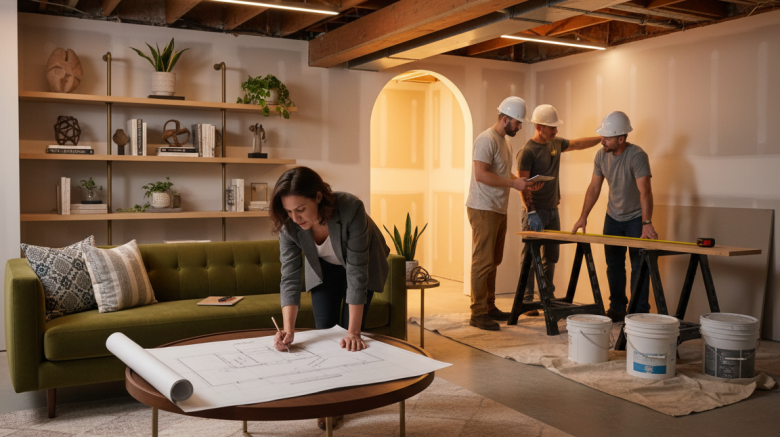
In the U.S., numerous property owners fail to realize the hidden value of their lower levels. Thoughtful finishing can dramatically improve both space and comfort. This transformation happens avoiding the price tag of adding new structures to the main floor.
Our experts lead you from concept to completion. They specialize in remodeling lower levels and provides innovative design ideas – Open the link about basement remodeling. Examples are entertainment centers, guest suites, gyms, and offices.
Data shows that finishing basements can return about 70% of their cost in added equity. Citing data from the NAR. HomeAdvisor points out that basement renovations are 50–70% cheaper on a square footage basis compared to above-ground expansions.
Before selecting finishes, it is crucial to check dampness levels, foundation stability, and zoning laws. Initial inspections help avoid costly rework and safeguard your investment during the remodeling process.
By utilizing the full potential of your lower level, you generate a zone that is both functional and stylish. This will not merely meet your needs but effectively enhance your home’s value.
Benefits Of A Basement Renovation Project
Transforming a basement into functional rooms is a savvy investment. It converts unused space into areas the family will enjoy daily. Strategic basement finishing increases your home’s size without the need for additions. It avoids property line restrictions and offers versatile uses like a spare bedroom, workspace, or play area. Even small changes can significantly enhance your lifestyle.
Expand Your Home Within Its Footprint
Finishing your basement creates more room without expanding your home’s footprint. This approach preserves your garden and foundation while gaining sleeping quarters, a den, or storage. It is an economical method to bypass the difficulties of exterior expansions.
Return On Investment And Resale Value
A professionally finished basement boosts marketability and practical space. The NAR reports that remodeled lower levels can recoup about 70% of the original cost in home value. Factor in the resale potential when evaluating the price of a basement remodel.
| Project Type | Typical Cost Range | Value Recouped | Ideal Function |
|---|---|---|---|
| Basic basement finishing | $10,000 – $30,000 | 60% – 75% | Family room, storage, laundry |
| Mid-range remodel with bath | $30,000 – $60,000 | 65% – 80% | Guest suite, rental opportunity |
| Luxury renovation with upgrades | $60,000 – $120,000+ | 70% – 85% | Cinema, upscale apartment |
Thermal Efficiency And Acoustic Privacy
Updating the lower level is the perfect time to upgrade thermal barriers, windows, and HVAC systems. This can lead to cheaper monthly expenses. Correct sealing and thermal wrapping also address foundation and plumbing risks, creating a cozier environment. Lower levels offer natural soundproofing, which makes them ideal for loud hobbies like workouts or movies.
Consider the long-term savings in energy and reduced repair needs when looking at the price of a basement remodel. Intelligent improvements during finishing preserve the home and boost livability. Furthermore, they make the area more attractive to the market.
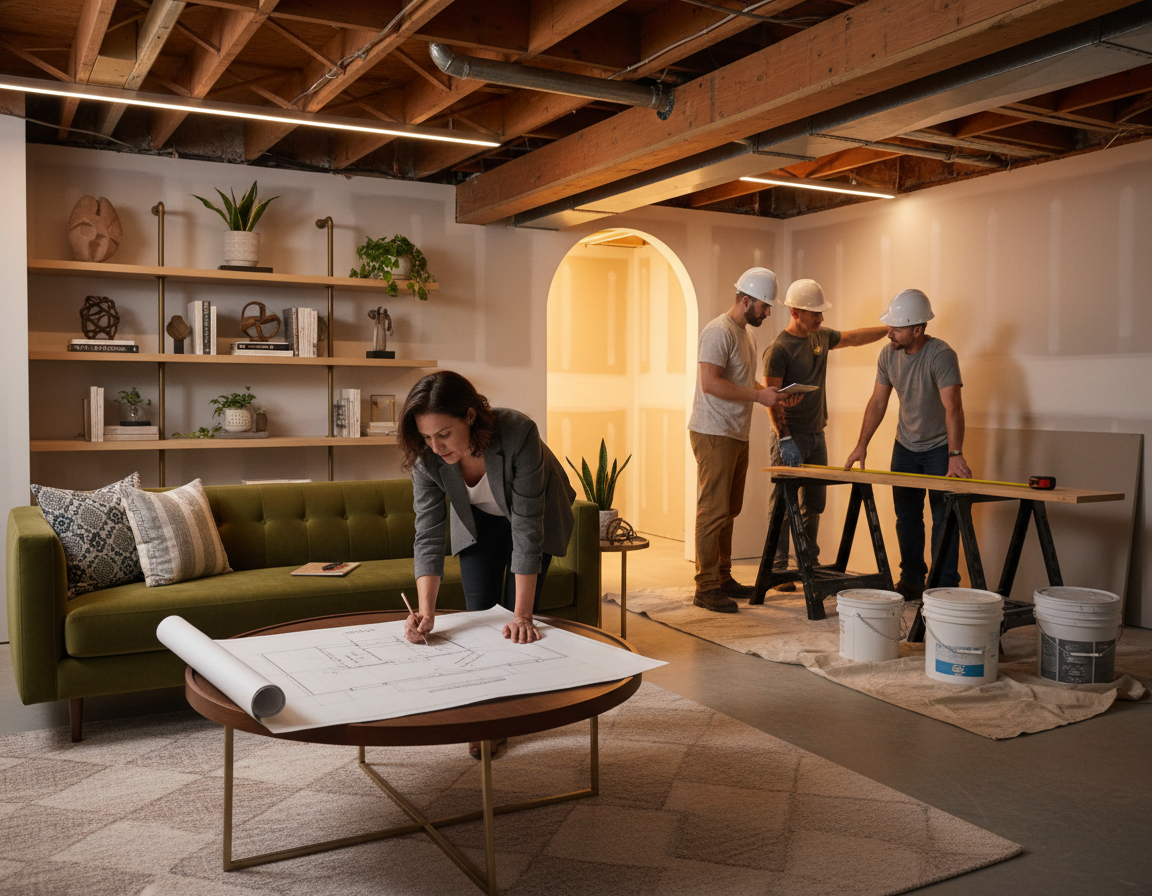
Pre-Renovation Checklist: Where To Begin
Before you begin, make a comprehensive plan. A strategic plan prevents overspending and keep the timeline on track. Start by evaluating the physical environment, confirming security, and complying with laws. These considerations will influence the finished project.
Moisture control is essential before covering walls. Check for seepage, examine the drain tiles, and verify sump pump function. Add moisture barriers and air drying units as needed. Hold off on wallboard and final touches before water problems are cured.
It is vital to conduct radon testing at the start. Radon mitigation is simpler prior to closing up walls. During this phase, locate mechanicals like the heating and hot water units. Make sure you can reach them or properly boxed in with CO and smoke sensors.
Verify local building codes and necessary paperwork. Sleeping rooms require egress, so plan for escape windows or alternative exits. A professional remodeler takes care of licenses and make sure you conform with regulations.
Have a professional check the structural base and beams and posts. Address any structural issues before cosmetic work. Now is the moment to add better insulation and plan for system layouts. Doing this improves comfort and efficiency.
When selecting a contractor, inquire about their background with basement renovations. Ask about their approach to waterproofing, radon testing, meeting regulations, and egress windows. Defined goals at the start help avoid unexpected issues later.
Basement Remodeling: Design Ideas And Layouts
A strategically renovated cellar provides functional room and elegance. Begin by considering your lifestyle needs in this area. Effective designs balance function, comfort, and moisture-resistant materials for long-term satisfaction.
Entertainment And Home Theater Concepts
Create a cinematic home theater with tiered or theater-style seating, premium visuals, and surround sound. Add acoustic panels, isolation rails, and thick batting to cut noise transfer. Pick thick rugs or vinyl flooring based on moisture risks. Built-in shelving, power outlets, and mood lighting ensure convenience without ruining the vibe.
Living Areas, Game Rooms, And Children’s Zones
Convert part of the basement into a comfortable den with flexible furniture and tough floor coverings like vinyl plank or carpet tiles. Designate kid spaces with mats, low bookcases, and organizers that fit children’s reach. Use scrubbable paint or creative wall spaces to allow for drawing. A flexible layout allows you to switch from family cinema to homework time.
Workspace And Creative Studio Designs
Build a productive office by using custom shelving, ergonomic furniture, and layered lighting for productivity. In art or music rooms, install soundproofing and darkening drapes for video work. Lower levels are great for noise reduction, making them ideal for audio production, podcasting, or setting up a secluded office.
Personal Gym And Training Spaces
Create a fitness center with gym flooring or protective surfacing to shield the slab and cushion weights. Reflective surfaces make the room look bigger and help you watch your technique. Prioritize ventilation with an exhaust fan or air purifier and think about acoustic treatments to avoid disturbing other rooms. Ensure ample room for moving around and gear organization – Click for details about basement remodeling.
Hospitality Zones And Guest Quarters
Add a beverage station with a beverage cooler, small sink, and ample of surface area for hosting. A kitchenette with a cooktop and heating appliance adds convenience for guests. In an in-law apartment, include a bathroom and efficient fixtures. Tankless water heaters save room delivering steady hot water for occupants.
Illumination Strategies For Lower Levels
Lower level remodeling needs to solve low light with varied illumination: general lighting, focused lighting, and mood lighting. Use pure-white or warm-reflective paint and hang reflective glass facing openings or window wells to boost natural light. Smart lighting systems control ambiance for a home theater or lounge and change light warmth for working in a home office.
| Function | Key Elements | Suggested Surface |
|---|---|---|
| Home theater | Soundproofing, mood lights, riser seats, power | Plush carpet or LVP |
| Living area / Kids zone | Resilient finishes, accessible bins, easy-clean walls | Luxury vinyl plank or carpet tiles |
| Study / Atelier | Shelving, comfort furniture, soundproofing, task lights | Engineered hardwood or LVP |
| Workout area | Rubber flooring, reflective glass, airflow, shock absorption | Foam gym tiles |
| Hospitality area | Cooler, wet sink, serving area, restroom | Ceramic tile or vinyl |
| Lights & Surfaces | Ambient/task lights, smart switches, light paint, mirrors | Zone specific; select water-safe materials |
Selecting Builders, Finishes, And Budgeting For Renovations
Creating a detailed plan is critical before choosing a team and finishes. Start by getting quotes and verifying licenses and insurance. You need to select builders with a solid history in lower level finishing and local references. Companies like Renovate Builders can oversee the whole project, from start to finish.
How to select the best basement remodelers
Look at project galleries and contact references from previous projects. Ensure the team knows local regulations and manages required paperwork. Select professionals who focus on moisture management, egress windows, and gas safety. A detailed scope of work, including timelines and payment plans, is essential.
How to budget for your remodel
Expenses fluctuate according to the work involved. Basic finishes like walls, floors, and lights are less expensive than adding bathrooms or moving walls. Compare multiple bids and check local pricing. Reserve 10–20 percent of your money for surprises like moisture issues or framing repairs.
Material choices for durability and moisture resistance
Select waterproof floors like luxury vinyl plank or stone tiles over hardwood. In humid areas, use mold-resistant drywall or cement board. In bar areas and restrooms, choose subway tile backsplashes and waterproof counters. Ensure you install a water pump and air dryer to protect your finishes.
Managing the project schedule and legalities
Schedule checks and subcontractors to reduce delays. The usual process includes waterproofing and structural work, succeeded by padding and utility lines, then drywall and finishes. Verify who pulls the permits and track approvals to avoid delays.
Adhere to these tips to keep finances in check and find a reliable contractor. Review product options and financial advice to make sure the result is useful and sturdy.
Basement Remodeling Tips And Common Pitfalls To Avoid
Smart preparation is essential to a great remodel outcome. Begin by checking for leaks and checking air circulation prior to spending on materials. Early identification and fixing these problems can save time, money, and reduce stress.
Never Overlook Water And Air Quality
Address leaks and install effective drainage systems before starting on finishes. Waterproofing is vital to avoid fungal growth and protect your investment. Install humidity control and venting systems to keep air dry.
Combat The Low Ceiling Feeling
For rooms with low overhead, use bright ceiling paint and choose can lights over hanging fixtures. Light colors, upright stripes, and wall mirrors give the impression of taller rooms.
Smart Illumination And Heating Plans
Use a blend of various light sources to stop it feeling like a dungeon. Plan for HVAC extension or supplemental units to ensure comfort and fresh air. Think about space-saving units like tankless water heaters for compact washrooms.
Plan Storage And Built-ins Early
Integrate built-ins within the plans to prevent mess. Built-ins and storage under stairs save floor space while adding value to the property.
Pick Products For Heavy Use
Choose surfaces that can withstand daily wear and tear, messes, and dampness. Choose tough products like LVP, porcelain tile, rubber gym tiles, and treated wallboard. In messy zones, consider carpet tiles or interlocking pads. Bar areas need waterproof tops and durable cabinets.
| Error | Solution | Ideal Choices |
|---|---|---|
| Hidden leaks after finishing | Fix all water issues, drainage systems, pumps | Waterproof membranes, mold-resistant drywall |
| Poor air quality | Add vents, run dry units, add ductwork | Mechanical ventilation systems, energy recovery ventilators |
| Feeling cramped under low ceilings | Flush lights, pale ceilings, upright patterns | Recessed cans, flat molding |
| Cluttered living areas | Create integrated shelving from the start | Custom cabinetry, durable shelving |
| Products that don’t last | Choose finishes rated for basements and heavy use | Vinyl, ceramic, rubber, waterproof paint |
Summary
Finishing your cellar is a budget-smart way to expand your home, with flexible design options and excellent value recovery. A well-planned renovation turns empty rooms into a home theater, fitness center, workspace, or in-law apartment. It boosts how you live but also increases your property’s value.
Start by tackling moisture issues, checking gas levels, and evaluating the frame and utilities. Once these steps are complete, secure paperwork, add padding, and pick products that handle humidity. Taking these actions stop future problems and ensure the project stays on track.
Pick items that are tough and waterproof, and install varied lights to overcome the challenges of low ceilings. Create distinct areas to get the most out of the area. Partner with skilled pros, for example Renovate Builders, to handle licensing, deadlines, and complex parts. Start with a thorough inspection and a solid roadmap. This way, your basement can become a vibrant, functional extension of your home, reflecting your style and boosting size and equity.
Related: Home Remodeling Near Me